Japanese Green Tea Culture

Discover the Ancient Art of Matcha

From the shaded tea gardens of Japan to your morning cup — explore the history, health benefits, and rituals of the world's most revered green tea.

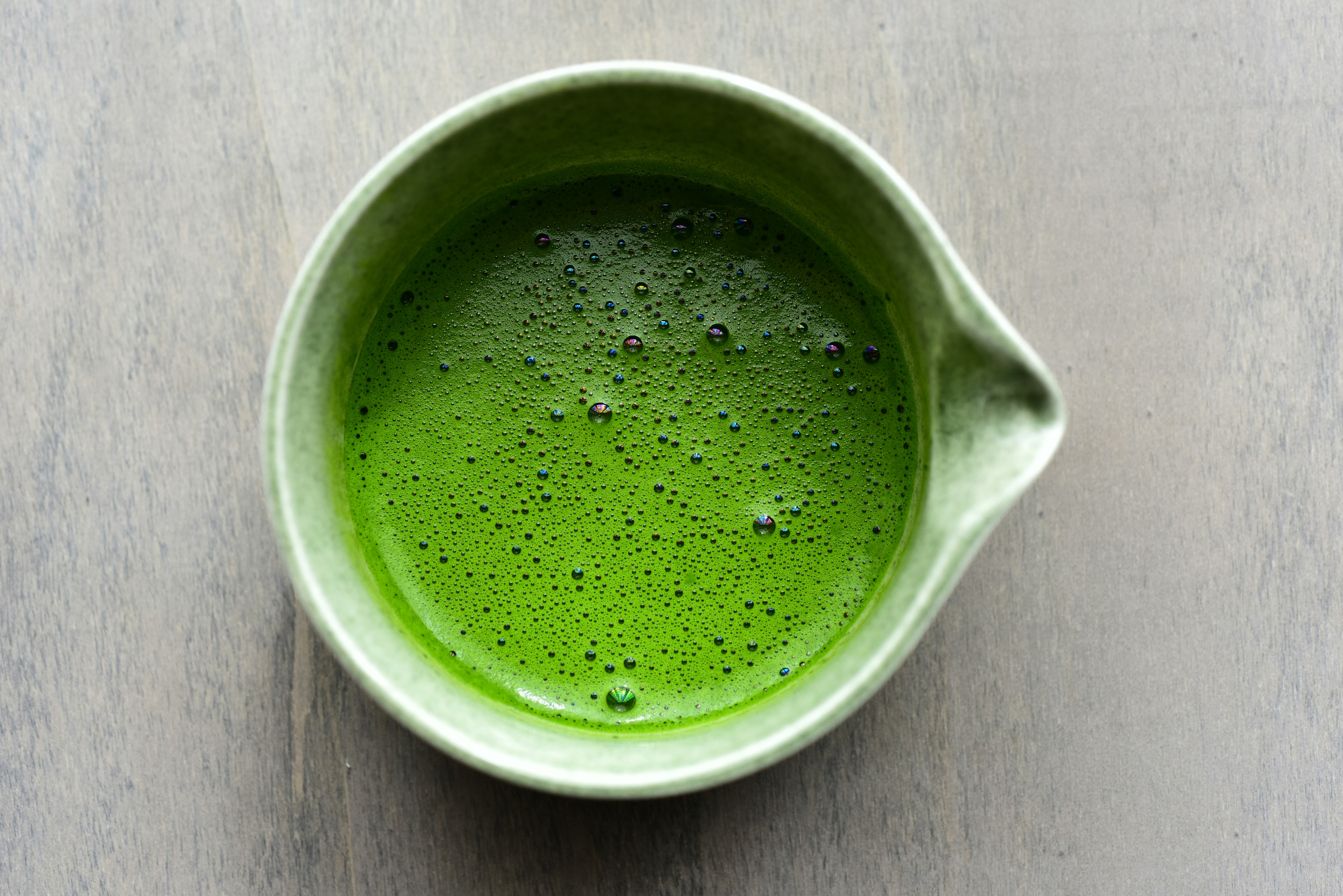
Matcha latte with delicate leaf-pattern latte art in a dark ceramic cup
Scroll
Extreme close-up of vivid green stone-ground matcha powder

Did You Know?

Matcha contains up to 5x more L-theanine than regular green tea because the leaves are shade-grown for 20-30 days before harvest.

What is Matcha?

Matcha is a finely ground powder made from specially grown and processed green tea leaves. Unlike regular green tea where you steep and discard the leaves, with matcha you consume the entire leaf — unlocking a concentrated source of nutrients, antioxidants, and calm energy.

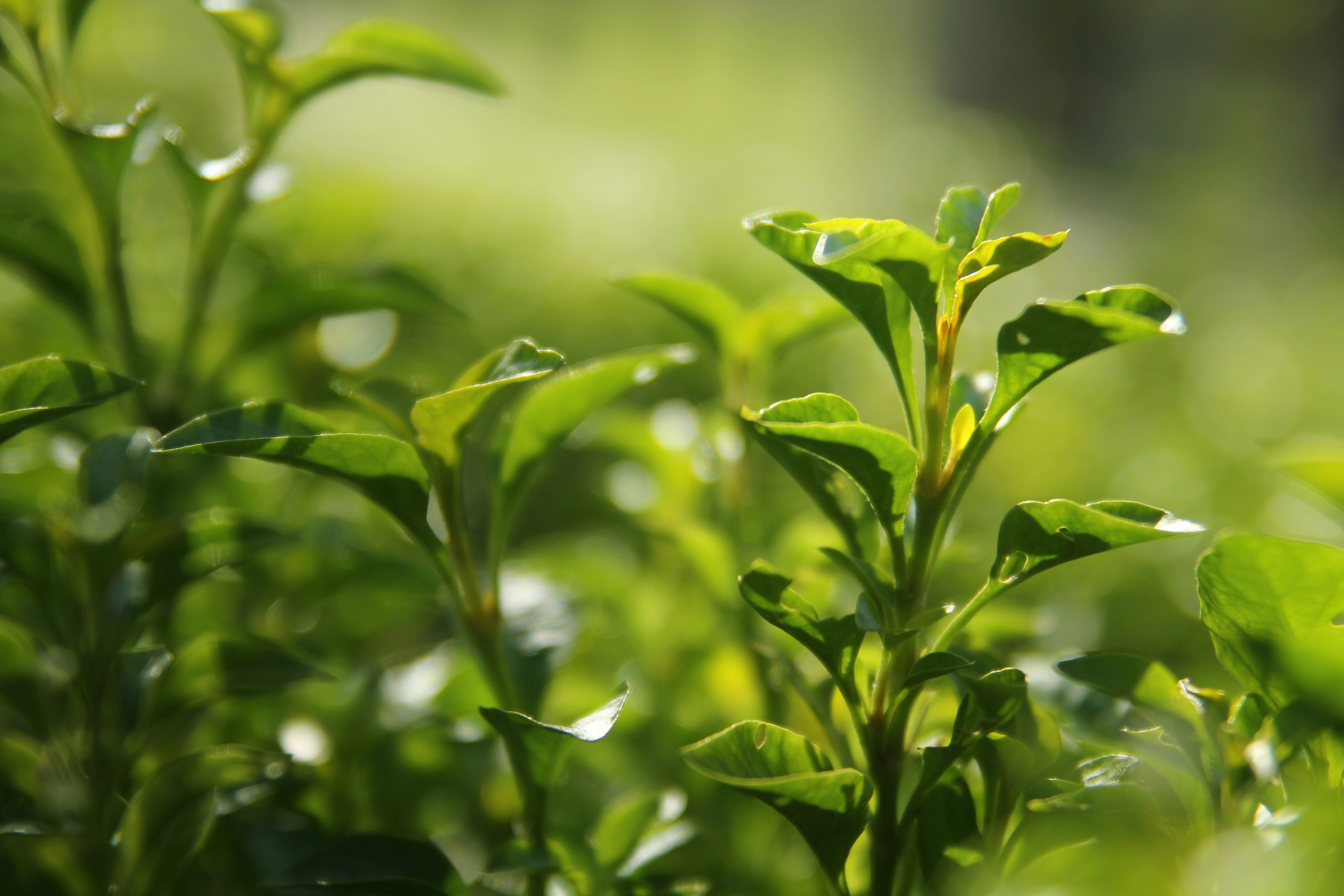
The journey begins in the shaded tea gardens of Japan. Three to four weeks before harvest, the tea plants are covered to block sunlight. This forces the plant to produce more chlorophyll and L-theanine, the amino acid responsible for matcha's signature umami sweetness and its remarkable ability to promote calm, focused alertness.

"When you drink matcha, you drink the entire leaf. Every compound — L-theanine, EGCG, caffeine, chlorophyll — ends up in your cup."

After harvesting, the leaves are steamed, dried, and slowly stone-ground into an ultra-fine powder using traditional granite mills. A single mill produces only about 30 grams of matcha per hour — which explains why authentic, high-quality matcha commands its premium.

Why Matcha is Good for You

Backed by centuries of tradition and modern science, matcha offers a unique combination of mental clarity, sustained energy, and powerful antioxidants.

Calm Focus

L-theanine promotes alpha brain wave activity, creating a state of "relaxed alertness." Combined with caffeine, it delivers sustained focus without the jitters or crash of coffee.

Source: Nobre et al., 2008, Asia Pacific Journal of Clinical Nutrition

Rich in Antioxidants

Matcha is packed with catechins, particularly EGCG, which may help reduce inflammation, support heart health, and protect cells from oxidative stress. You ingest the whole leaf, so nothing is wasted.

Source: Kochman et al., 2020, Molecules ("Health Benefits and Chemical Composition of Matcha Green Tea: A Review")

Metabolism Support

Studies suggest that the combination of catechins and caffeine in matcha may help boost metabolism and increase fat oxidation during exercise, making it a favorite among wellness enthusiasts.

Source: Dulloo et al., 1999, American Journal of Clinical Nutrition; Hursel et al., 2009, International Journal of Obesity (meta-analysis)

Heart Health

Research indicates that green tea catechins may help lower blood pressure and LDL cholesterol levels, contributing to overall cardiovascular wellness.

Source: Onakpoya et al., 2014, Nutrition, Metabolism & Cardiovascular Diseases (meta-analysis)

Immune Support

Early research suggests L-theanine may help modulate certain immune cell activity, and matcha also contains vitamins A, C, E, and K. The immune research here is preliminary compared to matcha's other benefits — treat it as a bonus, not the main reason to drink it.

Source: Bukowski & Percival, 2008, Nutrition Reviews (preliminary findings)

Rich in Chlorophyll

The shading process gives matcha an unusually high chlorophyll content — responsible for its vivid green color — along with the antioxidant compounds that come with it. Your liver and kidneys handle detoxification on their own; chlorophyll's role is as a plant pigment and antioxidant source, not a "detox" agent.

Source: Kochman et al., 2020, Molecules ("Health Benefits and Chemical Composition of Matcha Green Tea: A Review")

How to Prepare Matcha

Master the traditional art of whisking matcha. With the right technique, you will create a silky, frothy bowl of vibrant green tea in under two minutes.

1

Sift Your Matcha

Use a fine mesh sifter to break up any clumps. Place 1-2 teaspoons (2-3g) of ceremonial grade matcha into your chawan (tea bowl). Sifting ensures a smooth, lump-free texture.

2

Hydrate the Chasen

Soak your bamboo whisk (chasen) in warm water for 30 seconds. This softens the prongs and prevents breakage during whisking. Never skip this step — it extends your whisk's life significantly.

Tip: Use a whisk stand to maintain the chasen's shape while drying.
3

Add Water at the Right Temperature

Pour 60-80ml of water heated to 75-80 degrees C (165-175 degrees F). Never use boiling water — it scorches the delicate leaves and destroys L-theanine, pulling out unwanted bitterness.

75-80 degrees C / 165-175 degrees F
4

Whisk with Purpose

Hold the chasen vertically and whisk vigorously in a "W" or "M" motion — not circular. Use your wrist, not your arm. Whisk for 15-20 seconds until a fine, stable foam covers the surface.

Tip: The foam should look like micro-bubbles, not large soap-like bubbles.
5

Savor Immediately

Drink your matcha right away before the foam settles. Appreciate the umami sweetness, the creamy texture, and the vibrant jade color. This is your moment of calm.

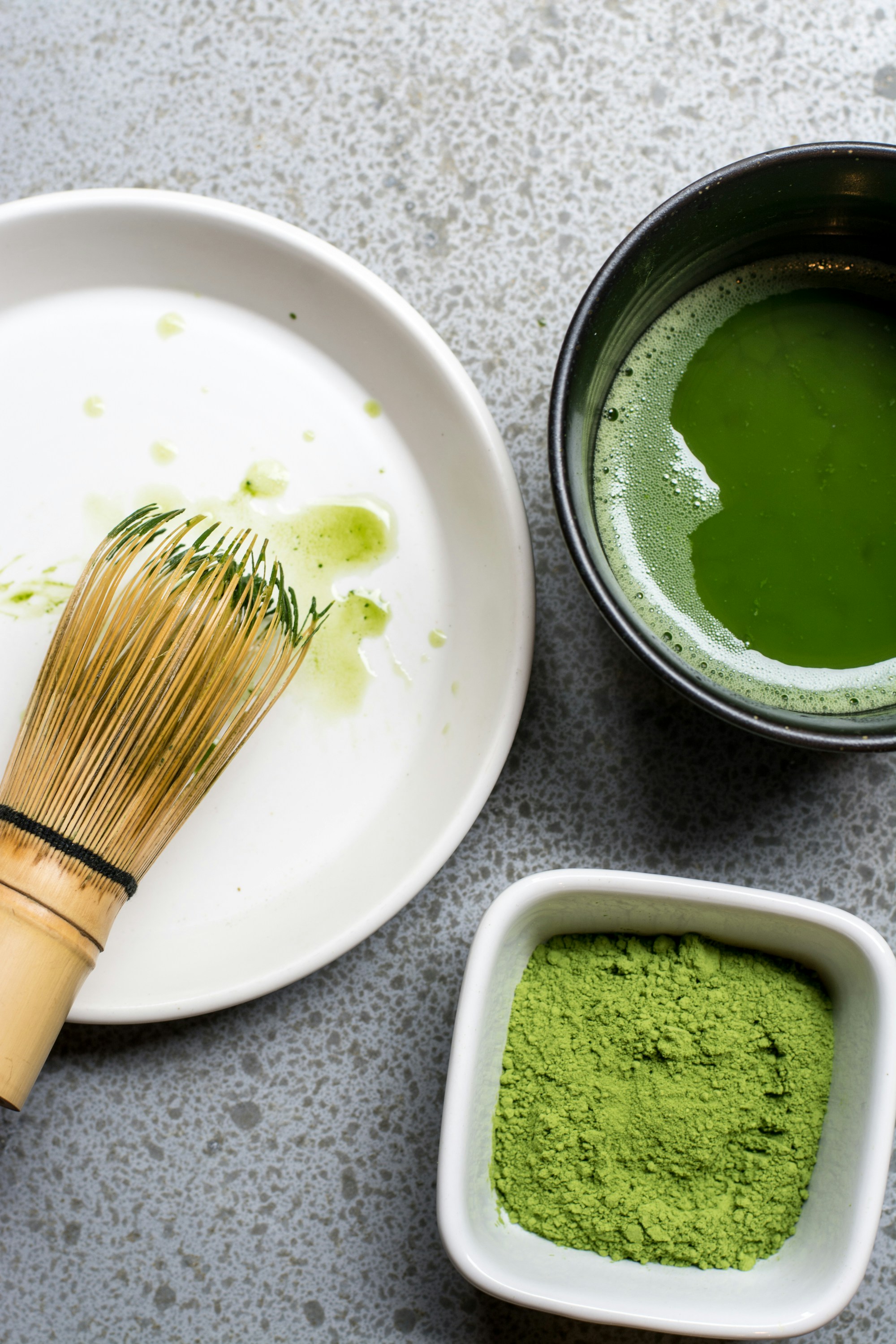
Whisking matcha into a smooth foam with a bamboo chasen

Understanding Matcha Grades

Not all matcha is created equal. Knowing the difference between ceremonial and culinary grade ensures you choose the right matcha for the right moment.

Ceremonial Grade

For drinking straight with water

Harvest: First flush spring leaves (ichibancha) — the youngest, most tender tips

Shading: 25-30 days of shade coverage, maximizing L-theanine and chlorophyll

Color: Vivid, electric jade green — the brighter, the fresher

Flavor: Smooth, naturally sweet, rich umami with minimal bitterness

Texture: Ultra-fine and silky, dissolves effortlessly in water

Best for: Traditional usucha, morning rituals, meditation practice

Culinary Grade

For lattes, baking and smoothies

Harvest: Second or third flush, or more mature leaves

Shading: 15-20 days — shorter shade time means more catechins (EGCG)

Color: Deep green, sometimes with olive tones

Flavor: Bold, earthy, more assertive — bitterness is an asset in recipes

Texture: Slightly coarser, may need more vigorous whisking

Best for: Lattes, smoothies, baking, desserts, iced drinks

FeatureCeremonial GradeCulinary Grade
HarvestFirst flush (spring)Second/third flush
Shading Duration25-30 days15-20 days
L-theanineHighest concentrationModerate
EGCG / CatechinsModerateHigher (more sun exposure)
Price$$$ (~$1-3 per gram)$$ (more affordable)
Best UseWhisked with water onlyLattes, baking, smoothies

Matcha Recipes to Try

From the traditional bowl to creative modern drinks — matcha is incredibly versatile. Here are three favorites to get you started.

From the Blog

Deep dives into the science, sourcing, and safety of matcha — for when three recipes aren't enough.

Where to Buy the Best Matcha

Quality matters. We have researched and selected the most reputable Japanese matcha brands that offer transparency, organic certification, and authentic stone-ground powder.

Ippodo Tea

Kyoto's legendary tea house since 1717. First-harvest Uji matcha with unmatched depth and tradition.

Uji, Kyoto

Encha

Certified organic first-harvest matcha from Uji. Lab-tested for purity and L-theanine content.

Uji, Kyoto

Jade Leaf

Excellent entry point for beginners. Authentic Japanese matcha at an accessible price point.

Japan

Naoki Matcha

First-harvest Kagoshima/Uji blend designed for daily drinking without compromising quality.

Kagoshima / Uji

What to look for: A named Japanese region (Uji, Nishio, Kagoshima), first-harvest indication, stone-ground processing, and organic certification. Avoid vague "product of Japan" labels with no specifics.

Frequently Asked Questions

Quick, evidence-based answers to the questions we hear most about matcha.

What's the difference between ceremonial and culinary grade matcha?

Ceremonial grade comes from the first spring harvest and 25-30 days of shading, giving it a smooth, naturally sweet flavor best enjoyed whisked with water alone. Culinary grade comes from later harvests with shorter shading, producing a bolder, more assertive taste that holds up well in lattes, smoothies, and baking. See our full grades comparison above for the details.

How much caffeine is in matcha compared to coffee?

Matcha contains roughly 35-70 mg of caffeine per gram of powder, so a typical 2-3g serving works out to about 70-140 mg — in the same range as a cup of brewed coffee. The key difference is L-theanine: it slows caffeine absorption and promotes calm, sustained focus instead of the sharp spike and crash coffee can cause.

Is matcha good for weight loss?

Some research suggests the combination of catechins and caffeine in matcha may modestly boost metabolism and fat oxidation, particularly during exercise. It is not a magic solution — matcha works best as part of an already balanced diet and active lifestyle, not a replacement for one.

How should I store matcha to keep it fresh?

Matcha's biggest enemies are light, heat, air, and moisture. Keep it in an airtight, opaque container in the refrigerator, and use it within 4-6 weeks of opening for the best flavor and color. Avoid leaving it on a sunny countertop.

Is matcha healthier than regular green tea?

Because you consume the whole leaf rather than just a steeped infusion, matcha delivers meaningfully more of the compounds found in green tea. The often-cited "137 times more EGCG" figure comes from one specific 2003 study comparing matcha to a single green tea sample — treat it as an illustration of the whole-leaf effect, not a precise multiplier that applies to any cup of green tea. Regular green tea is still a healthy choice; matcha is simply a more concentrated one, at a higher price.

What water temperature should I use to prepare matcha?

Use water heated to 75-80 degrees C (165-175 degrees F) — never boiling. Water that's too hot scorches the delicate leaf, destroys L-theanine, and pulls out unwanted bitterness.

Can I drink matcha while pregnant or breastfeeding?

Matcha contains meaningful amounts of caffeine, so if you are pregnant or breastfeeding, treat it the same way you would coffee or black tea: keep total daily caffeine within the limits your doctor recommends, and check with them before making it a regular habit.