When Is the Best Time to Drink Matcha?
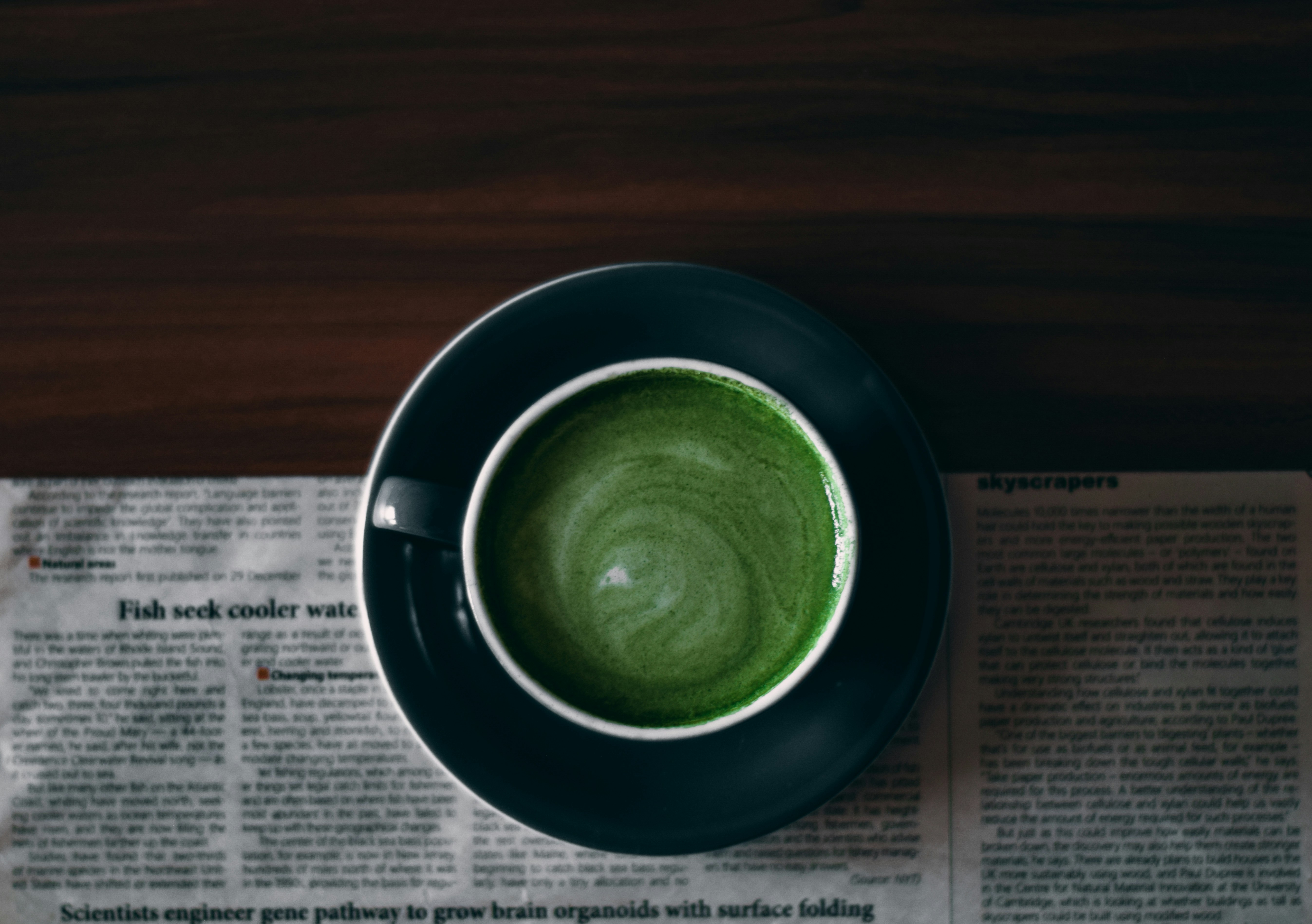
Matcha is versatile enough to fit into almost any part of your day — but timing matters. Drink it at the right moment, and you will amplify its benefits. Drink it at the wrong moment, and you might undermine your sleep or digestion.
Morning: The Ideal Starting Point
For most people, mid-morning (9 to 11 AM) is the sweet spot. Your cortisol levels have naturally dipped from their early-morning peak, and your body is ready for a clean energy boost.
Source: Fries, Dettenborn & Kirschbaum, 2009, International Journal of Psychophysiology (cortisol awakening response)
Unlike coffee, which can spike cortisol and trigger anxiety in some people, matcha's combination of caffeine and L-theanine provides calm alertness without the adrenal rush. Many matcha drinkers report feeling focused and productive for 3 to 4 hours after a morning bowl.
Pro tip: Drink matcha 30 to 60 minutes after breakfast. The small amount of fat and protein in your meal slows caffeine absorption and extends the effect.
Pre-Workout: Natural Performance Enhancement
Drinking matcha 30 to 45 minutes before exercise can improve both endurance and fat oxidation. Research on green tea catechins — particularly EGCG — has found increased fat burning during moderate exercise, by as much as 17 percent in one trial.
Source: Venables et al., 2008, American Journal of Clinical Nutrition
The caffeine in matcha also improves muscle contraction and reduces perceived exertion, meaning your workout feels easier even as you push harder. Unlike synthetic pre-workout supplements, matcha delivers these benefits without artificial sweeteners, dyes, or crash-inducing stimulant blends.
Afternoon: The Productivity Reset
The post-lunch slump is real. Instead of reaching for another coffee that might keep you awake until midnight, a bowl of matcha at 2 to 3 PM can restore focus without the jitters.
Because L-theanine promotes alpha brain waves, afternoon matcha is particularly effective for creative work, deep reading, or meditation. The effect is gentler than coffee but longer-lasting.
Evening: Proceed With Caution
Matcha contains caffeine, and caffeine has a half-life of roughly 5 to 6 hours. This means if you drink matcha at 6 PM, half the caffeine is still in your system at 11 PM.
Source: EFSA, 2015, Scientific Opinion on the Safety of Caffeine
If you are caffeine-sensitive, avoid matcha after 3 PM. If you tolerate caffeine well, a very small serving (half a gram) before 5 PM is unlikely to disrupt sleep — and the L-theanine may even help you unwind.
On an Empty Stomach: Yes or No?
Drinking matcha on an empty stomach is safe for most people, but the tannins can cause mild nausea or stomach discomfort in sensitive individuals. If you experience this, simply eat a small snack first — a banana, a handful of nuts, or a piece of toast works perfectly.
Summary: The Perfect Matcha Day
| Time | Best For | Serving Size |
|---|---|---|
| 9-11 AM | Focus, productivity, calm energy | 2g ceremonial |
| 30 min pre-workout | Endurance, fat burning | 2g culinary in water |
| 2-3 PM | Afternoon slump, creative work | 1-2g ceremonial |
| After 5 PM | Generally avoid (caffeine) | Skip or use decaf |