How to Make Classic Usucha: The Traditional Matcha Tea
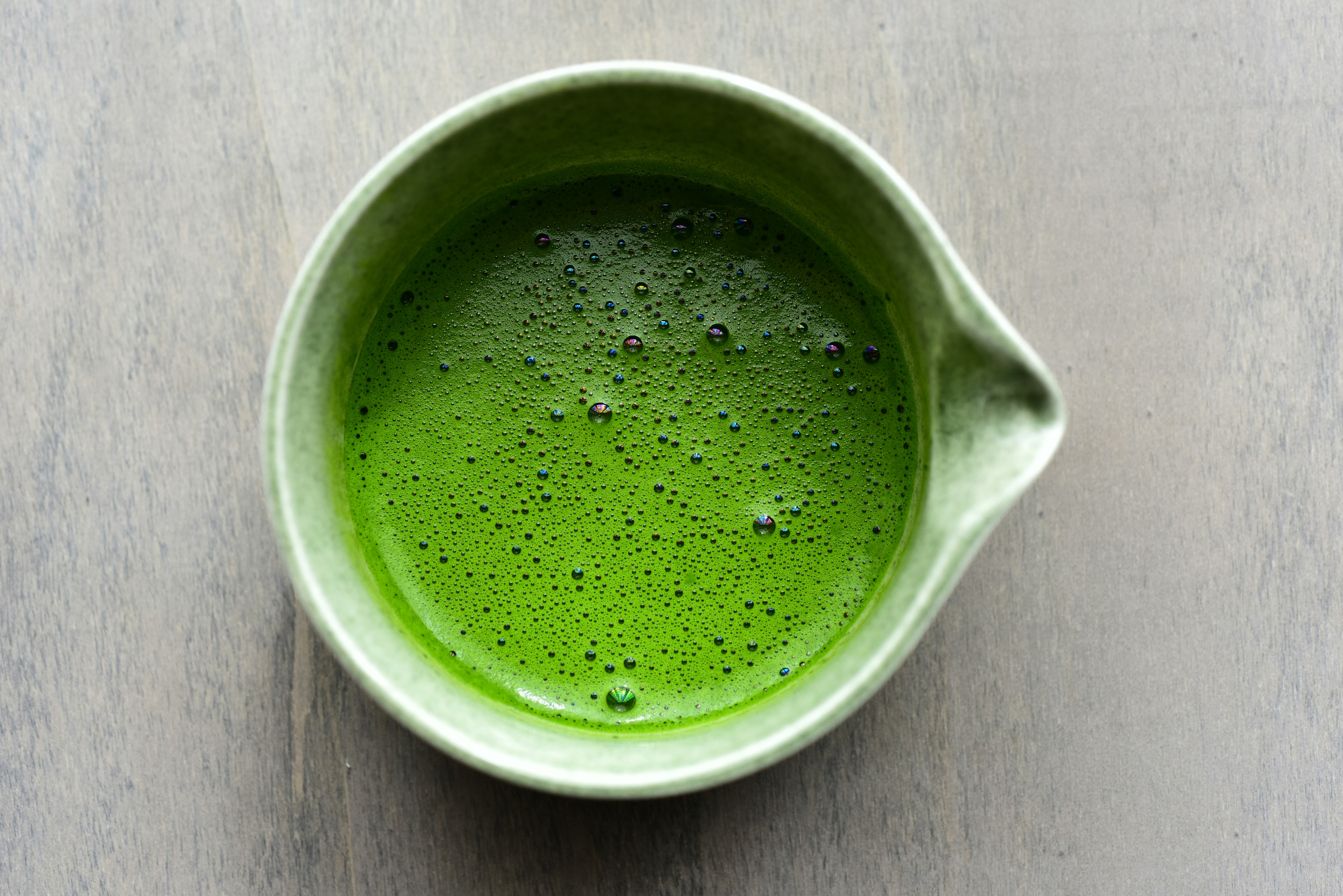
Usucha — literally "thin tea" — is how most people picture matcha: whisked with hot water alone, served in a wide ceramic bowl, no milk, no sweetener, nothing to hide behind. It's also the truest test of a matcha's quality, since every flaw in the powder shows up immediately in the cup. If you want to actually taste what ceremonial grade matcha is supposed to taste like, this is the recipe.
What You'll Need
Ingredients & Tools
- 2g (about 1–2 tsp) ceremonial grade matcha
- 70ml water, heated to 75–80°C (165–175°F) — never boiling
- A chawan (wide tea bowl)
- A chasen (bamboo whisk)
- A fine mesh sifter (optional, but strongly recommended)
Step-by-Step Instructions
- Sift the matcha. Pass it through a fine mesh sifter directly into the chawan. This single step is what separates a smooth, lump-free bowl from a gritty one.
- Hydrate the chasen. Soak the whisk in warm water for about 30 seconds before you start. It softens the bamboo prongs and prevents them from snapping while you whisk.
- Add the water. Pour the 70ml of water, heated to 75–80°C, over the sifted matcha.
- Whisk with purpose. Hold the chasen vertically and whisk briskly in a "W" or "M" motion — not circles — for 15–20 seconds, until a fine, even foam covers the surface.
- Drink immediately. Usucha is meant to be enjoyed while the foam is still intact, before it has time to settle.
Common Mistakes
- Water too hot. Boiling water scorches the matcha, destroying the L-theanine that gives it its calm, umami sweetness and pulling out unwanted bitterness instead.
- Skipping the sift. Matcha clumps easily, even fresh out of the tin — five seconds with a sifter avoids a bowl full of lumps.
- Whisking in circles. A circular motion produces big, soapy bubbles instead of the fine, stable micro-foam usucha is known for. Stick to a straight back-and-forth "W" motion.
- Using culinary grade. Its bolder, more bitter profile is built for lattes and baking — whisked with water alone, it tastes harsh. Save it for recipes where it's mixed with other ingredients.
Usucha vs Koicha
Usucha ("thin tea") is the everyday preparation — light, frothy, and made with roughly a 1:35 ratio of matcha to water. Koicha ("thick tea") is its rarer, more formal counterpart: double the matcha, half the water, kneaded rather than whisked into a thick, paste-like consistency. Koicha is reserved for the finest ceremonial grade matcha and traditionally shared from a single bowl during formal tea ceremonies. If usucha is your daily ritual, koicha is the occasional deep dive — not a recipe most people need to know, but good context for why "ceremonial grade" commands such a premium.
The foam is the tell. If it's fine, pale, and holds for a minute or two, the matcha and the technique were both right. If it collapses into a flat green puddle in seconds, something upstream — grade, water temperature, or whisking motion — needs adjusting.
Once you've got usucha down, the same matcha and the same whisking skill carry over into everything else — see our guide to matcha grades to choose the right powder, or the essential matcha toolkit if you're still assembling your equipment.