Why Is Matcha So Expensive? The True Cost Explained
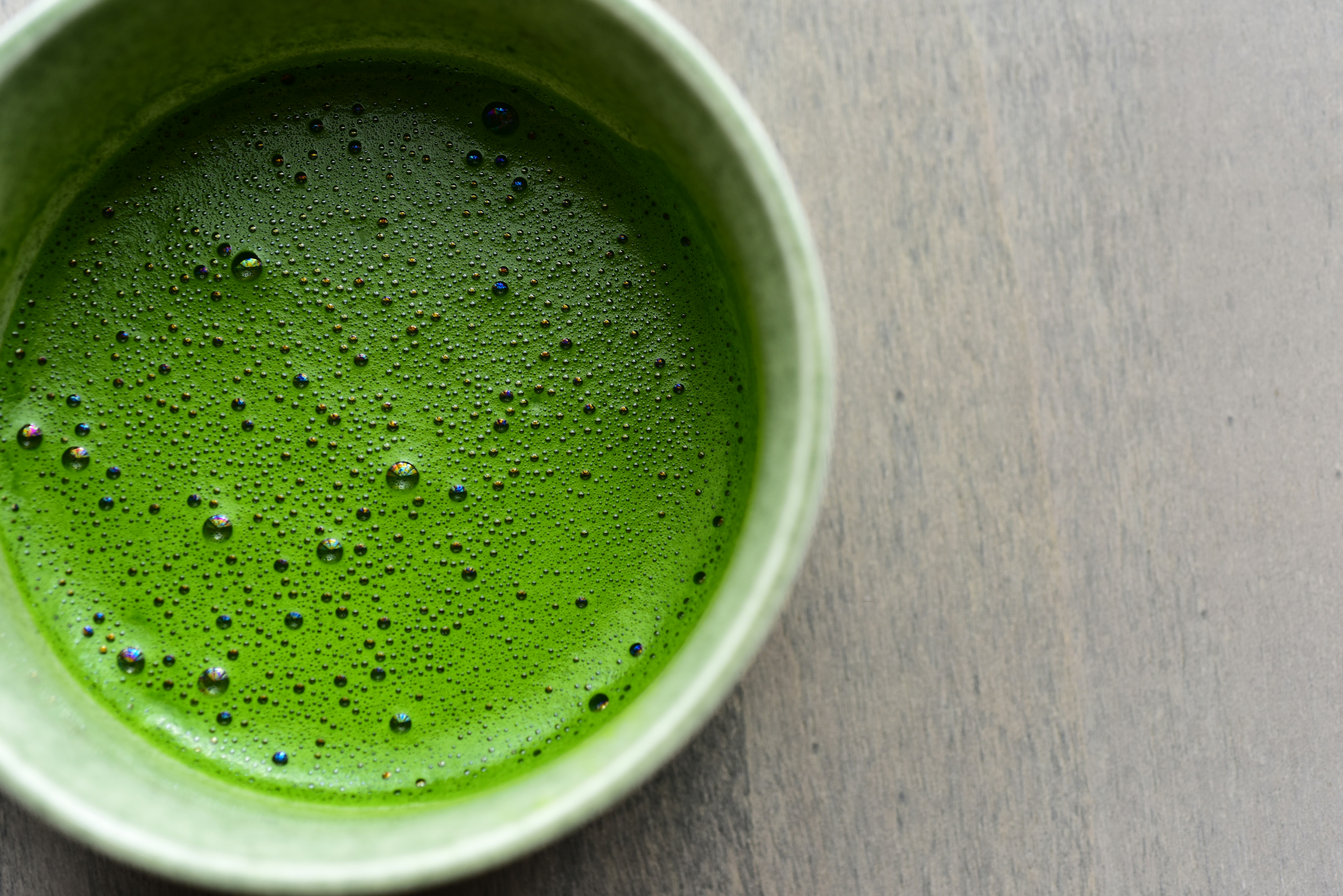
A 30-gram tin of high-quality ceremonial matcha can cost $25 to $60. That works out to roughly $1 to $2 per gram — or $2 to $4 per bowl. Compare that to a $0.10 tea bag or a $0.50 cup of coffee, and matcha seems outrageously priced.
But when you understand what goes into producing authentic matcha, the price starts to make sense. It is not inflated. It is simply labor-intensive, time-consuming, and geographically limited.
1. Shade-Growing Is Resource-Intensive
Three to four weeks before harvest, matcha tea plants are covered with shade structures — traditionally straw mats, now often black synthetic cloths. This shading requires:
- Additional labor to install and maintain covers
- Reduced yield per plant (shaded plants produce fewer leaves)
- Careful monitoring to prevent disease in the humid, dark environment
Shade-growing reduces the total harvest by 30 to 50 percent compared to sun-grown tea. Less yield + more labor = higher cost.
2. Only the Finest Leaves Are Used
After harvest, the leaves are steamed and dried into a crude form called tencha. But not all tencha becomes matcha. The stems and veins are removed by hand or machine, leaving only the softest, most nutrient-dense leaf tissue. This further reduces yield.
It takes roughly 40 to 50 grams of fresh tea leaves to produce just 10 grams of finished matcha powder.
3. Stone-Grinding Is Slow
Authentic matcha is ground using traditional granite mills (ishiusu). These mills rotate extremely slowly to avoid heating the powder, which would destroy delicate compounds like L-theanine and chlorophyll.
A single granite mill produces only 30 to 40 grams of matcha per hour. A 30-gram tin represents nearly an hour of continuous grinding on a single mill. Most producers operate multiple mills simultaneously, but the bottleneck is real.
4. Geography and Certification
The best matcha comes from specific regions in Japan — primarily Uji (Kyoto), Nishio (Aichi), and Kagoshima. These regions have:
- Ideal climate and soil for tea cultivation
- Centuries of accumulated expertise
- Strict agricultural regulations and testing
- High labor costs compared to mass-producing tea regions
Organic certification adds further cost. Organic matcha gardens cannot use synthetic pesticides or fertilizers, which reduces yield and increases labor. Third-party testing for heavy metals and radiation (particularly important post-Fukushima) adds yet another layer of expense.
5. Import and Distribution
Matcha is a perishable product. It loses freshness within months of grinding. Shipping it from Japan to international markets requires:
- Air freight or temperature-controlled sea freight
- Opaque, airtight packaging to prevent light and oxidation damage
- Smaller batch sizes compared to commodity teas
All of these factors add to the final retail price.
Price Breakdown: Where Does Your Money Go?
| Cost Component | Estimated % of Price |
|---|---|
| Farming & harvesting | 25-30% |
| Processing (steaming, drying, grinding) | 20-25% |
| Packaging & quality control | 10-15% |
| Import & shipping | 10-15% |
| Retailer markup | 20-30% |
Is Cheap Matcha Worth It?
Matcha priced under $0.50 per gram is almost certainly not true ceremonial grade. It may be:
- Second or third flush leaves (lower in nutrients and flavor)
- Machine-ground instead of stone-ground (coarser, bitter)
- Sourced from China or other regions with less strict regulations
- Cut with fillers or older stock
Culinary grade matcha at $0.30 to $0.60 per gram is perfectly fine for lattes and baking. But if you are paying less than $0.80 per gram for something labeled "ceremonial," be skeptical.
The Value Proposition
A $30 tin of matcha contains roughly 15 to 30 servings. At $1 to $2 per bowl, it is comparable to a specialty coffee — and you are consuming the entire leaf, not just an infusion. When you factor in the concentration of antioxidants, amino acids, and the meditative ritual, many drinkers find the cost entirely justified.
Matcha is expensive because it should be. Every step of its production — from shading to stone-grinding — demands time, skill, and care. When you buy authentic matcha, you are not just buying a drink. You are buying centuries of agricultural tradition.