Matcha vs Green Tea: What's the Real Difference?
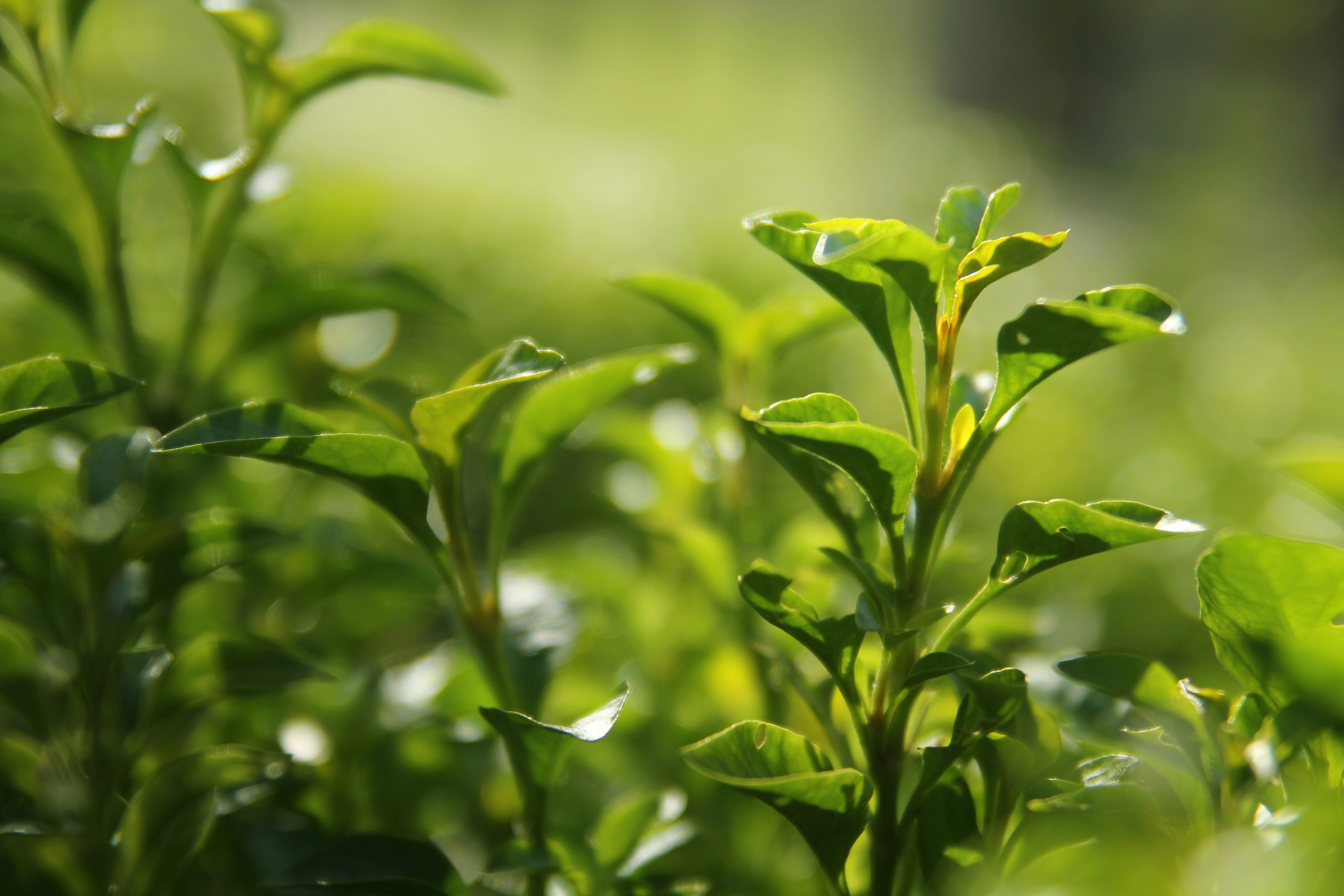
Walk into any cafe and you will see both matcha lattes and green tea on the menu. They look similar, smell similar, and both come from the same plant — Camellia sinensis. So why does matcha cost five to ten times more? And is it actually better for you?
The difference is not marketing. It is everything: how the plant is grown, how the leaves are processed, and how you consume the final product.
Growing Method: Shade vs Sun
Regular green tea is grown in full sunlight. The leaves are harvested, steamed or pan-fired, dried, and then steeped in hot water. You drink the infusion and throw away the leaves.
Matcha begins the same way, but three to four weeks before harvest, the tea plants are covered with shade cloths or straw mats. This shading process triggers a dramatic change inside the leaf:
- Chlorophyll production skyrockets — giving matcha its electric green color.
- L-theanine accumulates — the amino acid responsible for calm focus and umami flavor.
- Catechins shift — EGCG levels drop slightly, while other beneficial compounds concentrate.
After harvest, matcha leaves are steamed, dried, deveined, and destemmed. Only the soft inner leaf — called tencha — is kept. This tencha is then slowly stone-ground into a micro-fine powder. A single granite mill produces roughly 30 to 40 grams of matcha per hour.
Consumption: Infusion vs Whole Leaf
With green tea, you steep the leaves and discard them. You get whatever compounds dissolve into the water — roughly 20 to 30 percent of the leaf's total nutrients.
With matcha, you whisk the powder directly into water and drink the entire leaf. Nothing is left behind. This is why a single serving of matcha can contain up to 137 times more EGCG than a cup of regular green tea, according to a 2003 study published in the Journal of Chromatography.
Worth reading that number correctly: it's the result of one specific comparison in that study against one particular green tea sample, not an average across all green teas. Real-world differences depend heavily on the specific teas being compared, how the green tea was brewed, and how long it steeped. Treat "137 times" as a vivid illustration of the whole-leaf effect — not a multiplier you can apply to any cup of green tea you happen to be drinking.
Nutrient Comparison at a Glance
| Nutrient | Matcha (1g) | Green Tea (1 cup, steeped) |
|---|---|---|
| Caffeine | 35-70 mg | 20-45 mg |
| L-theanine | 25-40 mg | 5-8 mg |
| EGCG | 60-100 mg | 5-20 mg |
| Chlorophyll | Very high | Low |
| Vitamin C | Moderate | Trace |
Source: Weiss & Anderton, 2003, Journal of Chromatography A; Kochman et al., 2020, Molecules
Flavor Profile
High-quality green tea is fresh, grassy, and slightly astringent. Matcha, by contrast, is creamy, rich in umami, and naturally sweet — with almost no bitterness when prepared correctly. The shading process breaks down tannins and builds amino acids, completely transforming the flavor chemistry.
The Verdict
Both are excellent choices. Green tea is affordable, accessible, and still packed with antioxidants. Matcha is a concentrated experience — more nutrients, more caffeine, more L-theanine, and a richer flavor — but it comes at a premium. If you are looking for a daily wellness ritual with tangible mental and physical benefits, matcha is worth the investment.